
Winter cycling can be a really enjoyable experience but only if you have the correct gear, and a crucial component for safety and performance are your tyres. As the seasons change, cold weather, ice, wet surfaces, and increased debris introduce hazards that standard bicycle tyres aren’t equipped to handle, making the switch to a dedicated winter tyre a necessity for dedicated cyclists.
The best winter bicycle tyres will offer puncture protection, increased grip and specific tread patterns depending on the terrain you are cycling. In this article, we’ll explore the challenges that winter cycling presents, what qualities winter tyres have, a look at the best winter tyres by discipline, and how to choose the best tyre for your bike.
Contents and Quick Links
- Why you need winter tyres in the UK – The conditions that winter presents that require a winter tyre
- What qualities make the best winter tyres – The specific characteristics that a winter tyre has
- The best winter tyre by cycling discipline – a look at the best winter tyres for road cycling, commuting, and mountain biking
- How to choose the right winter tyres – exploring what considerations you need to think about when choosing your winter tyres
- Frequently asked questions – the top questions thrown up by the internet about winter tyres
To kick things off, we will look at why winter tyres are so important by looking at the challenges presented by winter conditions.
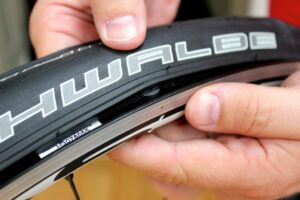
Why You Need Winter Tyres In The UK
In this section, we will look at the challenges that winter cycling poses, the benefits of specific winter tyres, and the possible challenges of keeping non-winter tyres on in winter.
Cold Weather
As we all know, winter in the UK is cold, with temperatures regularly reaching low single-figures or even minus figures. A winter training tyre will use a softer compound to remain pliable in these lower temperatures in order to maintain good levels of grip.
A non-winter tyre will be made of a compound that can harden in the really low temperatures and reduce the amount of grip on offer.
Benefits of a winter tyre in lower temperatures
-
Better grip from a softer compound
-
Compound doesn’t harden and reduce grip in the cold
-
Tubeless tyres can give even lower pressures and more grip
Challenges of a summer tyre in low temperatures
-
Reduced grip from a harder compound
-
A compound that can harden in the coldest conditions (reducing grip further)
Wet Roads
Wet weather grip is another incredibly important quality for winter road bike tyres to have as the roads stay wetter for longer. Similarly to cold weather traction, these winter tyres will be made with a softer compound that increases grip in the wetter weather. Some of the more expensive tyres will even come with a harder compound in the middle of the tread for increased efficiency but have softer compounds on the edges for increased grip when cornering.
Benefits of a winter tyre on wet roads
-
Increased grip on wet roads
-
Softer compound for more grip
-
Some offer a hard compound in the centre and a soft compound on the edges for efficiency in a straight line and increased grip on corners
-
Tubeless tyres can give even lower pressures and more grip
Challenges of summer tyres on wet roads
-
A harder compound will not offer as much grip
-
If it is wet and really cold, the tyre could offer even less grip if the compound hardens due to the cold

Ice
Ice is one of the major challenges to cycling through winter as even a softer compound will do nothing against a patch of ice. If you experience a lot of ice where you live, it might be worth investing in some spiked tyres. If you only experience ice occasionally then in our opinion, studded tyres are not worth it due to how much less efficient that are.
Benefits of a winter tyre on ice
-
Spiked winter road bike tyres will keep you upright on ice
Challenges of summer tyres on ice
-
Anything other than spikes will struggle on ice
More Punctures
In winter, there is a much higher chance of getting a puncture due to the excess debris on the roads and paths. Wet roads and paths also make spotting and avoiding glass all the harder. It is for these reasons that winter tyres feature decent puncture protection on a sliding scale, some with minimal protection to maintain efficiency, and some that are almost indestructible. Please bear in mind that the more puncture resistant the tyre is, the slower the tyre will be.
While most cyclists will not mind changing a tyre in summer when the weather is nice, it is a vastly different experience in winter in the cold and the rain. How you feel about this will dictate how puncture resistant your tyre will be.
Benefits of a puncture resistant tyres in winter
-
Less punctures
-
Avoid the need to be cold and miserable changing a tyre in the cold and wet
Challenges of less puncture resistant tyres in winter
-
More punctures
-
Having to change a puncture in the cold and/or rain is not pleasant
Mountain Bike Tyres in Winter
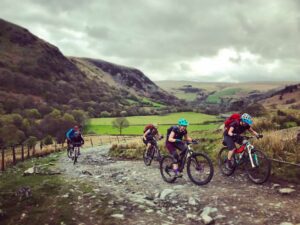
You do not see such a distinction between winter mountain biking tyres as you do with winter road bike tyres or winter commuter tyres. What you will tend to find on the trails in winter is that they are a lot wetter so to deal with this, you need a tyre with a more spaced out tread pattern so that the mud is shed more easily and does not clog up the tyre. This would actually be very similar to riding wet weather in summer – It’s really all about shedding that mud from the tyres.
Gravel Bike Tyres in Winter
Like mountain bike tyres, tread pattern is also a consideration for gravel bikes. If you are mostly on the road in winter, a slick, but wider tyre would be advisable. If you are on gravel paths or trails, you will need to consider the trade off between grip on loose surfaces, and grip on the road. The more grip on gravel means less grip on road.
What Makes the Best Tyres for Winter Cycling?
So now that we have covered the conditions that the tyres have to deal with, let’s take a look in more detail at what qualities these tyres have to possess to make them the best for winter riding. These categories are; increased grip, puncture resistance, extra safety features, and we will also look at some of the trade offs too.
Increased Grip
The first important quality that winter tyres should have is increased grip, especially when the ground is wet and the temperature drop below about 4 degrees C. Here are the ways winter tyres maintain excellent grip even in really low temperatures
Softer Compound
Winter tyres will be made out of a softer compound that slightly deform to the road or path surface you are cycling on giving increased grip. This softer compound will also give increased grip when the surface you are cycling on is wet.
Extra Additives
Many winter tyres will introduce additives such as silica to the manufacturing process as these additives prevent the tyres from hardening at lower temperatures. This keeps the grip high even when the temperatures get really low.
Tubeless Tyres
With a lot of modern winter tyres, you now have the option of choosing tubeless. By setting your tyres up tubeless, you can then run these at lower pressures to increase grip without the chance of pinch flats.
You can reduce the pressure of tyres with tubes inside but the lower you go, the more change you have of getting a snakebite puncture (or pinch flat).
Tyre Width
Choosing a wider tyre will increase how much of the tyre is in contact with the ground and increase grip.
Before fitting wider tyres to your bike, it is really important to check that you have the clearance on your frame, and that the rims of your bike will accept the width of tyre you are thinking about.
Tread Pattern
There is a common misconception when cycling on tarmac that a tyre with tread will disperse water better and offer more grip but this is not usually the case for cycling. This belief came from the world of car tyres where this is the case. For your winter road tyres on tarmac, it is better to have a slick tyre made out of a quality compound with little, or no, tread at all.
Where tread pattern does matter is when cycling off-road on trails or gravel. When mountain biking in winter, you would need a tread with well spaced out knobbles to help shed the mud from your tyre and also to dig into the mud, snow, or soft ground. For gravel riding, it is about striking the balance between grip for loose surfaces and grip on the road. If you are only on tarmac on your gravel bike, a slick tyre made from a good compound will offer the most grip.
Better Puncture Protection
Another of the main characteristics of a winter cycling tyre is puncture protection as punctures are a lot more common in winter time. Preventing punctures and limiting the number of times you have to tackle the filthy and miserable job of replacing your tube in cold and wet conditions is of utmost importance. Here is how winter tyres manage to reduce punctures.
Note: Many people use the term ‘puncture proof tyres’ but this is actually impossible unless you have a solid rubber tyre with no air inside.
Protective Layers
Many puncture resistant tyres will offer one or more protective layers. These could be kevlar, polyester, or nylon which are hard to puncture or tear thus resulting in less punctures.
A Thicker Tread
Not only is a thicker rubber tread more puncture resistant, it will also result in a longer lasting, and more robust tyre for winter weather.
Reinforced Sidewalls
Some tyres have reinforced sidewalls to prevent cuts and slashes, especially those that might be caused by riding through the increased debris you find on roads and paths in winter.
Tubeless Tyres
Aside from being able to run lower pressures, tubeless tyres also help reduce punctures by plugging holes with a liquid sealant that runs inside your tyre. For small punctures, you will likely not even realise that the puncture has been plugged. For larger nicks and cuts, a small amount of sealant will escape but will eventually stop the leak. There are some situations that the hole will not be plugged but these are only for the larger cuts (above approx 4mm).
Tyre Pressure
If you are running an inner tube, it is really important to keep the tyre pressure higher to limit the chance of pinch flats. You could have the most puncture resistant tyre in the world and it would do nothing against pinch flats if your pressure is too low.
If you are running tubeless tyres then you can run these at lower pressures without the risk of pinch flats (as there is no tube to pinch). You just have to be careful not to run at too low a pressure as you still need to protect your rims from hard impacts.
Trade Offs of Winter Tyres
As with anything in cycling, there are always trade offs and winter tyres are no different. Here are the main considerations when choosing a winter tyre.
-
Extra grip means less efficiency – due to the softer compound used, this extra pliability actually counts against you in a straight line. Tyres with dual compound mitigate this by having a harder compound in the centre and a softer one for cornering grip.
-
Lower pressure equals less efficiency – More of the tyre in contact with the ground adds friction
-
Puncture resistance decreases efficiency – Any extra layer of material will add an extra material to deform and this adds a significant amount of rolling resistance.
So in a nutshell, winter tyres will make you slower or have to use more effort to maintain the same speed. Most people we talk to, however, happily trade off speed for a safer ride and less punctures.
The Best Winter Tyres by Discipline
Now we are going to break down the best winter tyres by cycling discipline. We will look at winter road bike tyres, winter commuting tyres and winter mountain bike tyres.
Best Winter Road Bike Tyres
As we have mentioned, the best winter road bike tyres will have excellent grip and offer puncture resistance. Here are the best that are available now.
Specialized Armadillo All Condition Tyre – £40
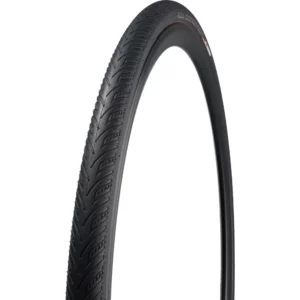
The redesigned Specialized All Condition Armadillo continues to lead the market for top performance as a tough puncture resistant road tyre for severe conditions. This workhorse tyre is super robust for touring and commuting and tough enough to navigate the roughest road conditions. Offers excellent puncture protection for the price.
Continental Grand Prix 5000 All-Season Tubeless Ready – £59.99
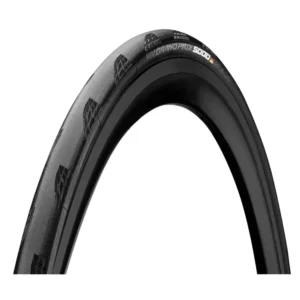
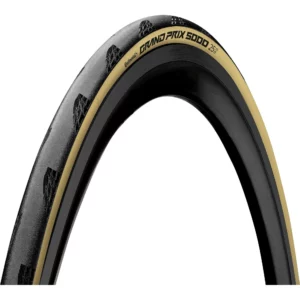
Choose the Continental Grand Prix 5000 All Season for excellent protection in all-weather conditions plus it is tubeless ready or even more grip and puncture protection. The Continental grand prix range has long been revered in the cycling industry for its quality and value. Also available in a tan wall.
Best Winter Tyres for Commuters
For commuting during winter, it is best to have robust, puncture resistance and grippy tyres. Here are some ideas for winter commute tyres.
Specialized Nimbus 2 Armadillo Reflect Tyre – £37.50
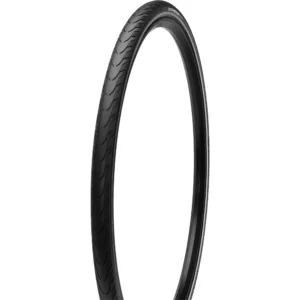
The Specialized Nimbus 2 Armadillo reflect tyre features Specialized’s very best flat protection, an updated tread and compound that rolls even faster, and more grip than ever before.All this with the added safety of a reflective strip on the sidewall of the tyres for keeping you more visible.
Specialized Armadillo All Condition Elite Tyre – £45
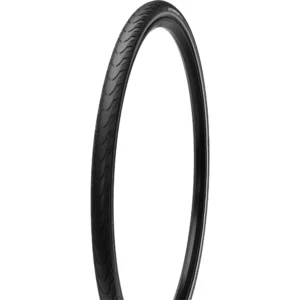
The completely redesigned Specialized All Condition Armadillo Elite is a flat resistant tyre that has performance characteristics better than some competitors race tyres! Specialized have given it a new tread pattern that offers excellent all weather traction. Newly sourced materials for the best puncture protection ride quality and gripton compound for low rolling resistance and ultimate traction in dry and wet conditions.
Best Winter Mountain Bike Tyres
Mountain biking in winter can be loads of fun but you need to prepare for the muddier conditions. Mountain bike tyres for winter cycling need to have wider spaced knobs to help disperse the mud that gathers on your wheels. Here are the top ones for winter mountain biking.
Maxxis Highroller 3 Exo+ 3C Tyre – £44.99

The Maxxis Highroller 3 Exo+ 3C is a great tyre for winter mountain biking with open centre tread pattern and with large, well supported side knobs to withstand extreme cornering forces.
Maxxis Highroller 3 DD Tyre – £49.99

The Maxxis Highroller 3 DD tyre features a hybrid tread design that provides the soil penetration of a wet weather mid-spike while retaining the cornering control and hard surface traction of a dry conditions tyre
Specialized Hillbilly Grid Gravity Tyre – £50
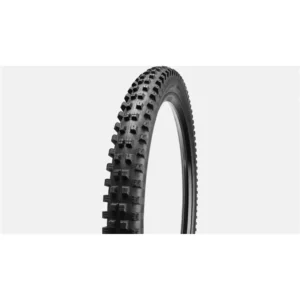
The small blocks penetrate the ground and better connect you to the trail. Small surface centre knobs also increase the load on the ground and help surface penetration, while the shoulder knob row provides support in fast turns on all surfaces. The Specialized Hillbilly Grid Gravity Tyre sheds the winter mud well with spaced out tread pattern.

How to Choose the Right Winter Tyres
There are many different standards with wheels and tyres so we thought it would be useful to do a guide on how to choose the correct tyres for your needs. Here, we cover everything you need to consider when choosing new tyres whether you are a mountain biker, road cyclist, gravel rider or commuter. We will start off with wheel size.
Identify your bike type and wheel size
The type of bike you are riding will have a big impact on what tyres you can choose. Mountain bike tyres will be wider and more knobbly for better grip on muddy, sometimes wet trails. Gravel cyclists can choose a number of options depending where they ride most of the time, and road cyclists will choose based on clearance and rim width.
The next step is to find out the diameter of your wheels. If you are unsure of the diameter, this will be written on your old tyres and sometimes on your rim itself. Be aware that many modern mountain bikes have different sizes of wheel on front and back (mullet set up with a 29inch front and a 27.5 inch rear).
The list below gives the styles of bikes and the potential options for each.
-
Road Bike – 700c or 28Inch
-
Mountain Bike – 27.5 inch (650b) or 29 inch. Occasionally there will be 26 inch about but mostly on very small adult bikes or childrens bikes
-
Gravel Bikes – 700c (28 inch) or occasionally 27.5 inch (650b)
-
Kids Bikes – These can be anywhere between 12 inches and 26 inches
-
Electric Bikes – can have 26 inch, 700c (28 Inch), or sometimes 29 inch
Consider Your Riding Conditions
Where you are riding your bike will influence what is the best tyre to choose. This will be different for mountain bikers, roadies, commuters or gravel riders. Here is a list of terrains and the general type of tyre that would be suitable.
-
Tarmac Only – A slick tyre with little or no tread for maximum grip. The width can vary depending on the amount of clearance available.
-
Light gravel/cycle paths – Depending on how gravelly the paths are, you might opt for a slightly knobbly tyre for grip on loose surfaces or, if the gravel is not too bad, a wider, slick tyre could also be optimal
-
Trails/MTB – This will be a wide, knobbly tyre for grip on loose surfaces. If you are riding in the wet, choose a tyre with a spaced out tread pattern to help shed the mud that gathers on your wheels.
-
Gravel/Off-road – If you are on tarmac only, a slick gravel tyre would work best and you can go wider because of the extra clearance you find on road bikes. If you are on a mix or tarmac and gravel paths then a slightly knobbly tyre would work. and if you are off-road mostly, a more agressive knobbly tyre would give the best grip on the loose surfaces.
Check Your Clearance
Your clearance will dictate how wide a tyre you can choose as this is basically the space you have between the tyre and your frame. Road bikes typically have the least clearance, gravel bikes next, and mountain bikes have the most for wider tyres. It is important not to exceed these limits as your tyre could end up rubbing your frame which can badly damage your frame.
It is worth noting that the maximum width of your tyres will also be dictated by the internal rim width of your rims. This measurement will be written on your wheel rims and then a simple chart can be found online to show the minimum and maximum tyre size.
Decide on the Puncture Protection Required
As we have mentioned above, there is a direct trade off between puncture resistance and speed (or effort required) so this choice comes down to conditions and individual preference.
If you cycle in winter on cycle paths then most people sacrifice the speed for puncture protection as paths and roads in winter have much more debris and glass. People on road bikes in summer will likely sacrifice puncture protection for speed.
Budget
How much you have available to spend on tyres is also a factor in which would be best so knowing this can help narrow down the options. A basic tyre will likely cost in the region of £20 to £30 going all the way up to around £80 for the best winter road bike tyres on the market.

Frequently Asked Questions
It’s time to ask the internet for the top questions about winter tyres and give our best answers to them. Here goes.
Do I really need winter-specific bicycle tyres in the UK?
Well no, you can still cycle with other tyres in winter but you will likely get more punctures and have less grip when cornering in cold and wet conditions. This all depends on you and how you ride. For us, a winter tyre with a high degree of puncture protection are indispensable because changing tyres in the cold and wet is a really miserable experience. Up to you of course.
Will winter tyres slow me down?
Yes, but most people who cycle in winter will happily trade off some speed for puncture protection and extra grip in the cold. If you are not willing to sacrifice too much speed, you can find some excellent puncture resistant tyres that offer fast rolling resistance such as the Continental grand prix 5000 All-Season but you pay a bit more for these tyres than the slower options.
What Pressure Should I Run in Winter Tyres?
This question depends on whether you have tubeless tyres or not. If you run tubeless tyres then you can run them at lower pressures for more grip and comfort. If you are running an inner tube then you will need to run the pressure towards the higher end of the scale to reduce the chances of pinch flats.
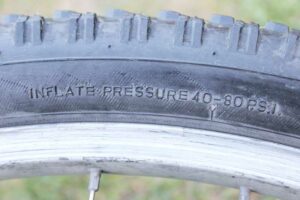
The pressure you should use will be printed on the side of your tyre. This is different for different styles of riding (MTB, gravel, road etc) and depends on the tyres themselves so please do check before inflating.
Do winter tyres work in snow?
It depends on the snow. Mountain bike tyres will work in fresh snow as the knobbles will dig in nicely and allow you to cycle. As the snow gets more compressed, it will get more and more difficult for the tyres to get grip.
Can you put winter tyres on a road bike?
Absolutely you can. Winter road bike tyres are a must for cycling in winter as these give much more grip in the low temperatures and will help to prevent punctures too. The compound used in non-winter tyres tends to harden in temperatures under 5 degrees Celsius which reduces the grip on offer. The puncture resistance helps massively too as there is much more debris and detritus on the roads and paths that can cause a puncture.
What happens if I use winter tyres year-round?
Nothing major, but you will be a bit slower because of the softer rubber compound used and the tyres might not show the same longevity as a summer version, again because of the softer compound. But if you want more grip and puncture resistance then this can sometimes be a good option.
Can I fit winter tyres myself?
Definitely. The only issue you might find is that they can be a little harder to fit and remove than a non-winter tyre but the principles are the same no matter what tyre you are fitting.
There you have it, we hope you have enjoyed our blog on the best winter tyres and if you have any other queries, you can visit us in the below stores. You can also contact our online team who are always happy to help with any queries.
- Aberdeen Store
- Edinburgh Bruntsfield
- Edinburgh Canonmills
- Giant Store Edinburgh
- Giant Store Stirling
- Newcastle Store