
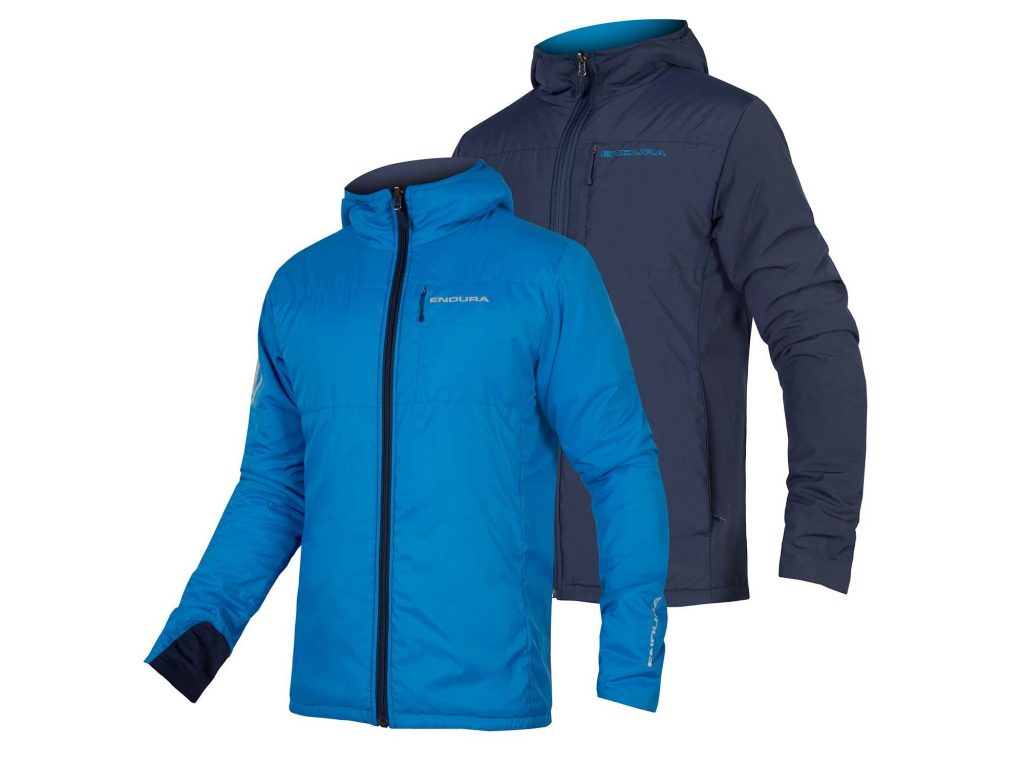
Winter is coming! But that doesn’t mean you have to pack away your bicycle and wait for the better weather to appear. Making the right cycling clothing and equipment choices will keep you riding through autumn, winter and spring in total comfort. The right winter gear for cyclists is less about spending more and more about layering sensibly. Here is our checklist of what to include in your Winter weather cycling gear.
A lot of us here at Edinburgh Bicycle Coop have honed our Winter clothes choices for winter riding through a lot of trial and error and we would like to try and help you save time and money by imparting what we have learned about how to dress for winter cycling. This article will look to let you know the main benefits of each item of clothing so, as usual, you are armed with the information to make the best decision for your particular circumstances.
There are winter clothing options available from head to toe and everywhere in between so we will start at the feet and work our way upwards.
Contents and Quick Links
- Protecting your feet in winter
- Protecting your legs in winter
- Protecting your torso in winter
- Protecting your hands in winter
- Protecting your head in winter
- Looking after your winter cycling clothes
- Frequently Asked Questions
Winter Clothing Advice: At a Glance
Before we dive into this in great detail, here is our quick, at-a-glance guide to dressing for the different conditions we have in winter time. For each of the conditions listed, we will offer clothing suggestions for each of these.
Under 2°C (Wet and Windy)
Focus on: Warmth and windproofing
At these temperatures, it’s all about staying warm. This means layering with windproofing in mind. Most good thermal jerseys will have windproofing panels to cater for this.
Must-have clothing: Base layer, thermal cycling jersey, winter bib-tights, thermal socks, winter gloves and overshoes.
Optional extras: Waterproof cycling jacket (but for light rain we would still opt for a winter softshell jacket)
2°C to 7°C (Typical Winter Conditions)
Focus on: Versatility (cold in the mornings and warmer in the evenings)
One of the challenges of winter cycling is it being colder in the mornings than the evenings and this is why we need to build in flexibility. Wear the extra base layer in the morning and leave it off in the evening if it’s warmer. If it’s the same temperature in the pm as the am, you are sorted.
If you are training and doing longer rides, it can be wise to wear an extra gilet that can be removed when you warm up.
Must-have clothing: Anything that adds versatility – Base layer, thermal arm/leg warmers, thermal gilet, thermal soft shell, midweight gloves or glove inserts.
8°C to 12°C (Warmer Winter Days)
Focus on: Breathability
For warmer days in winter, it is wise to focus on lighter clothing with better breathability.
Must-have clothing: Autumn/Spring jersey (some thermal qualities but not as warm as full winter jackets), arm/leg warmers, lightweight base layer.
Protecting your Feet in winter
Cold feet are the worst! But thankfully there are lots of great options for protecting your feet depending on the conditions you will likely be riding in and the discipline you ride. Here are the some of the main options below.
Socks
The obvious one – a good pair of socks are a staple of winter cycling gear and will keep your feet warm, comfortable and, sometimes, dry. A good pair of winter socks will keep you both warm and will wick the moisture away from your skin to improve warmth and comfort and, depending on what sort of layering system you are opting for will depend how thermal or waterproof you need your socks to be. For example, you may not need super-thick socks if you are opting for a good pair of winter cycling shoes.
Endura BaaBaa Merino II Winter Socks
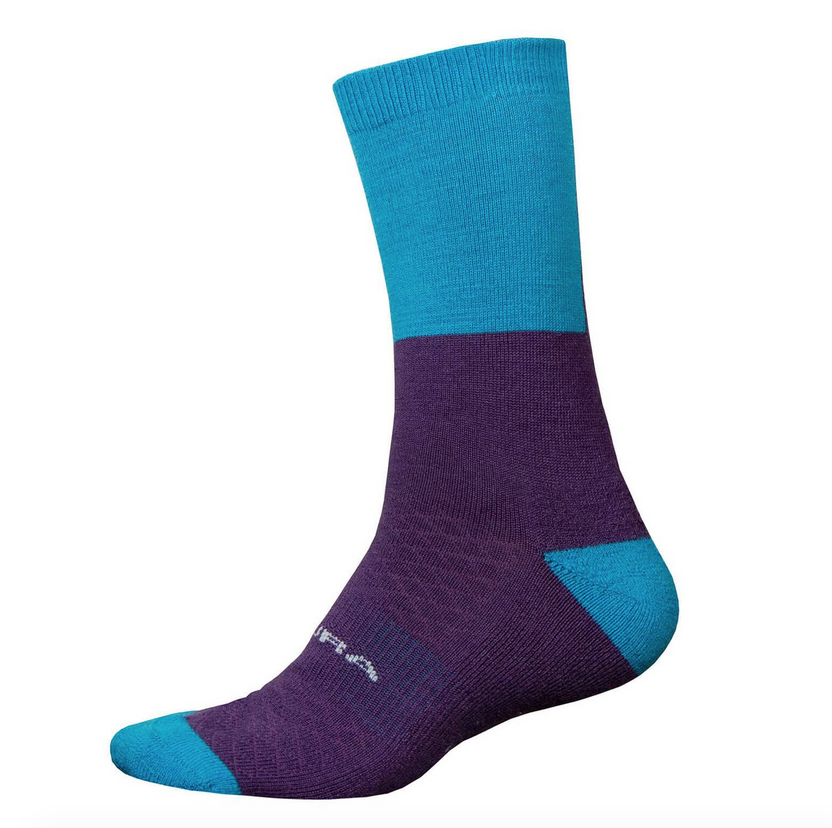
The Endura BaaBaa Merino socks are an excellent option for keeping your feet warm and comfortable with Merino wool for itch free comfort and high warmth to weight ratio, even when wet.
Endura Hummvee Waterproof Sock
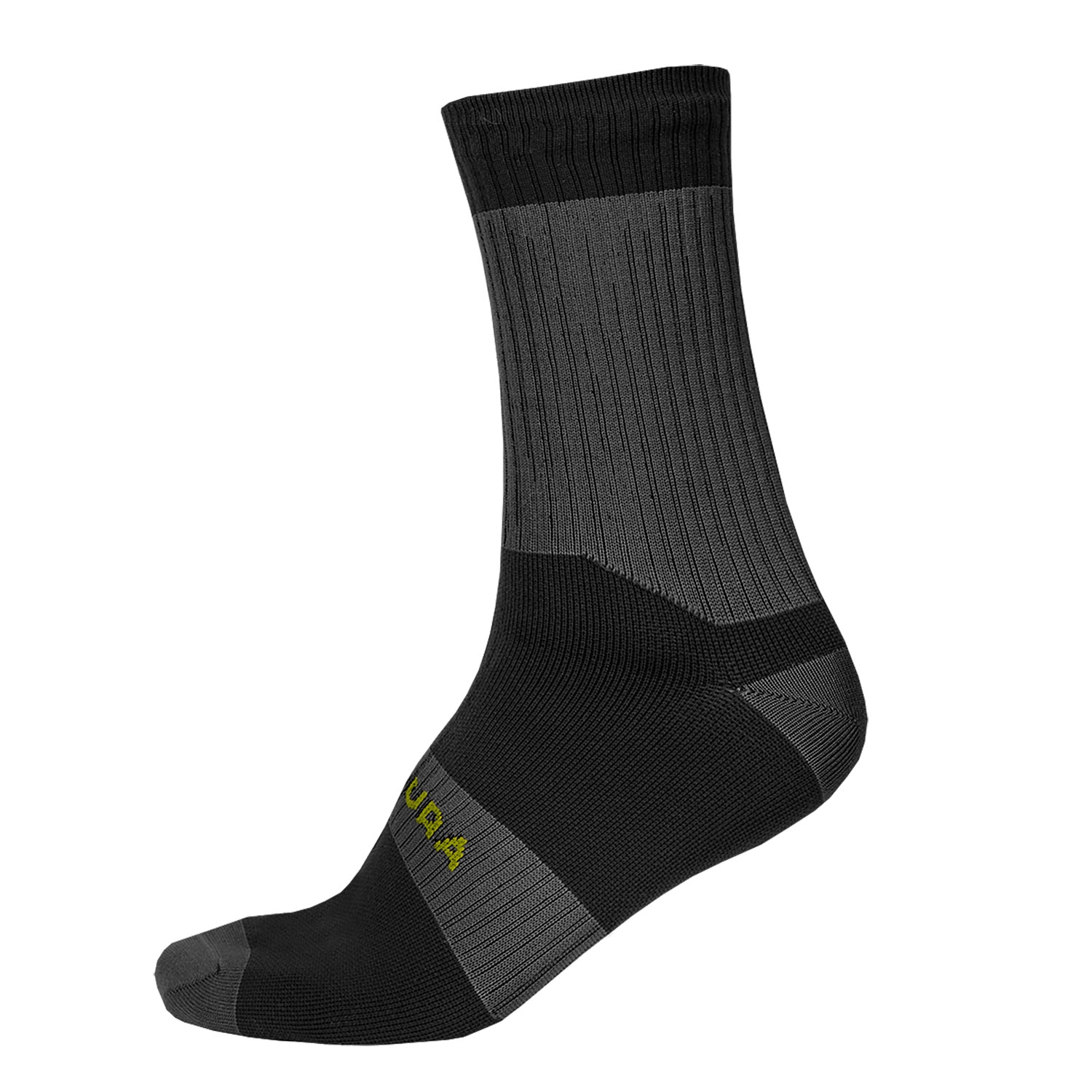
The Endura Humvee waterproof sock is for when you are cycling in very wet weather conditions or the cold. Dry feet are happy feet with protection from the outside and inside by preventing water from coming in and facilitates moisture getting out with good breathability.
Assos Ultraz Winter Fugu Socks
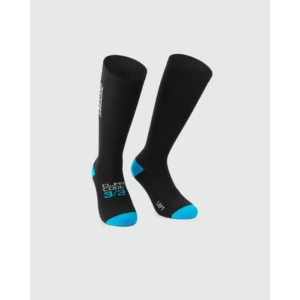
An all-new, ultra-insulated Assos Ultraz Winter Fugu sock, engineered with a wool textile blend and reinforced with increased insulation in critical areas. Breathable, ultrasoft, and warm – total comfort for winter’s harshest conditions.
Gripgrab Merino Winter Socks
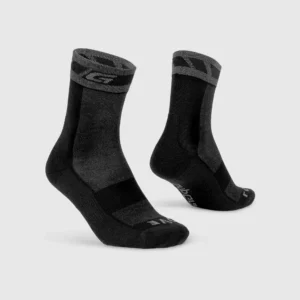
The Gripgrab Merino Winter Socks are high performance cycling socks with merino wool to keep your feet warm and dry in cold weather conditions.
Shoes
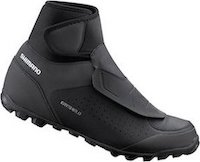
Another big choice of what to wear while winter cycling are the shoes. This is not just a question of keeping your feet dry and warm (although these are very important factors) but of the condition of the surfaces you are riding on. A lot of people who use clip-in pedals in summer opt for a flat pedal in winter due to the possibility of ice on paths and roads – with a flat pedal, you can get your foot to the ground quicker and this gives many people peace of mind when there is a possibility of ice. Of course, when it is icy, it’s also cold so keeping your feet dry and warm is very important and with shoes you can go one of two ways – opt for winter cycling shoes that are specifically made to be waterproof and warm such as the Shimano MW5 Dryshield shoe that offers supreme waterproofing and warmth or, if you opt for a regular cycling shoe, you can combine these with good thermal socks and a waterproof overshoe to protect your feet.
Overshoes
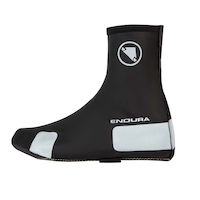
Overshoes are the perfect option for those that want to wear the same shoes all year round – simply wear the shoes with a light sock in summer to keep your feet cool and comfortable and for winter cycling, wear the same shoes with a good winter overshoe. These will keep your feet dry and warm and there are various thicknesses and styles available depending on how cold and wet the weather you are planning to go out in is.
Protecting your legs
There are a number of different options for leg protection from full length winter bib tights or thermal bib shorts to waterproof trousers to wear over work clothes or leggings. If you are training through winter, a choice for a lot of endurance cyclists is to pair thermal cycling shorts with leg warmers, as leg warmers can easily be removed when you have warmed up while cycling longer distances.
Winter bibs
A good set of thermal bib tights will keep your legs warm and comfortable as they are lined with material to minimise wind chill, provide warmth and repel rain while still allowing sweat to leave and keeping you comfortable. Available in various lengths depending on personal preference. Longs for the maximum coverage and warmth for the coldest weather, bib knickers for three quarter length for cold and cool winter cycling and thermal shorts for keeping the thighs and midriff warm and comfortable and can be combined with leg warmers if required.
Giant Podium Thermal Bib Tights – For everyday training or exercising, Podium offers great features in muscle support and heat management. For cold days in the saddle, the Podium Thermal Bib Tights are constructed using ThermTexturaT fleece fabric for heat retention and insulation.
Endura Women’s FS260 Pro Thermo Tight DWR – Endura’s Thermoroubaix warmth transforms those cold winter rides.
Rapha Men’s Core Winter Bib Tights – Designed to deliver performance, comfort and value for everyday winter cycling. Made using a stretchy brushed-back fleece fabric to keep your muscles warm.
Assos Mille GT Hashoogi Winter Bib Tight – Stay warm, visible and stable on winter routes with Assos Mille GT Hashoogi tights. Turn frosty rides into smooth miles.
Waterproof trousers
Waterproof trousers are more of an option for commuters and electric bike riders as they offer excellent waterproofing but can cause a bit of overheating on more strenuous rides. If you are an all weather commuter or electric bike rider, you can wear the trousers over your regular cycling gear or casual clothes and not worry about having to change when you get to your destination.
Endura Hummvee Transit Waterproof Trouser – Simple but effective wet weather protection. Lightweight, breathable 2-Layer waterproof fabric in a fully seam sealed construction.
Endura Women’s MT500 Spray Baggy Trouser II – One for the mountain bikers – rugged, performance riding trouser for women with critical seat panel waterproofing. Also available in a men’s fit.
Protecting Your Torso
Versatility is the name of the game when on cold weather rides as the only predictability about a UK winter is it’s unpredictability (OK that’s the only cliché we will use in this article). It is because of this that no two days are the same so you ideally need to be able to adapt to sub-zero temperatures, for when the heavens open, snow and any other weather that is thrown at you. We would recommend having a winter cycling jacket, a mid layer and a base layer (or numerous of each) so for really cold days you can wear all three, for milder days maybe only two out of three and for warmer days, just the mid layer or the outer layer.
Here’s a rundown of these items of clothing.
Winter cycling jacket
Possibly one of the most important areas to keep warm and comfortable is your torso. That is why investing in a good winter jacket is essential. Again, depending on the riding you are doing will determine how thermal, waterproof and breathable you require your wind or waterproof jacket to be. If you are commuting or leisure cycling at lower pace, you will require something a little more thermal as your body will not produce the same heat as more demanding training rides. On the flip side, if you are training hard and winter training, you will need a jacket that is lower on the thermal scale but higher on breathability.
Endura Hummvee Waterproof Jacket – The Endura Hummvee cycling jacket brings trail and city versatility – a true workhorse for any rider looking for an all round waterproof at a great price.
Endura Urban Luminite EN1150 Waterproof Jacket – Lightweight, breathable 2.5-Layer waterproof fabric in a fully seam sealed construction.
Endura Windchill Jacket – Warm winter windproof protection ideal for any type of riding
Assos Mille GT Hashoogi Winter Jacket -A streamlined regularFit jacket for long-distance riding and base miles in challenging winter conditions. Also available in Torpedo Grey.
Cycling Mid Layers
Having cycling clothing that you can add, remove, mix-up and change is vital for cold weather riding so you can deal with different temperatures day-to-day. A cycling mid layer will usually be a thermal long-sleeve jersey or a ‘soft shell’ jacket that can be wither worn on its own or with a base layer and/or a cycling jacket.
We actually find that soft shells do not just work well in the winter months, they also perform really well in spring, summer and autumn too on colder days or when it is raining and you need a bit more warmth than a regular cycling jersey.
The thought behind a soft shell jersey is that it offers some extra warmth but also gives some water resistant qualities for showers and rain.
Base Layers
Base layers are the unsung heroes on a cold weather ride. They can be combined with your outer layer to take you into sub zero temperatures with ease and provide a wicking, breathable barrier to take the sweat away from your skin and prevent damp chill. We have found that the more you spend on a base layer, the wider the range of temperatures they will keep you comfortable in.
A good base layer will allow you to combine this with other cycling clothing to cater for a very wide variety of weather because as we know, Britain does not keep consistent temperatures.
A good base layer will either be made of merino wool or a synthetic material and both are designed to trap the body heat while being breathable enough to let any moisture escape to keep you dry and comfortable.
One of the main factors we have found in Britain is that it is not uncommon, in winter cycling, to be single, or minus figure temperatures in the mornings and then approaching double figures later on. For this reason, it is extra important to build in flexibility so you can dress up in the morning and then leave some layers off for the cycle back. This is particularly pertinent for commuters.
Gripgrab Ride Thermal Long Sleeve Base Layer – The GripGrab Ride Thermal Long Sleeve Base Layer is your turn-to option for all winter activities, from cycling to running or skiing. Two-layer fabric provides outstanding thermal regulation. Also available in black.
Protecting your hands
Another one that makes a massive difference to your winter cycling wardrobe are gloves. There are a number of different options available with neoprene (wet suit) material keep your hands warm but do not keep them dry. In our experience, these gloves are excellent for short, cold rides and if you want maximum finger dexterity but, we find, for longer rides, you end up with fingers that look like you’ve been in the bath. The other option is for a thermal, insulated glove that is highly warm and breathable but these are generally more bulky. The choice you make will likely depend on the riding you do – for road and mountain, dexterity is a high importance while commuting, e biking or leisure riding, the focus will be on warmth.
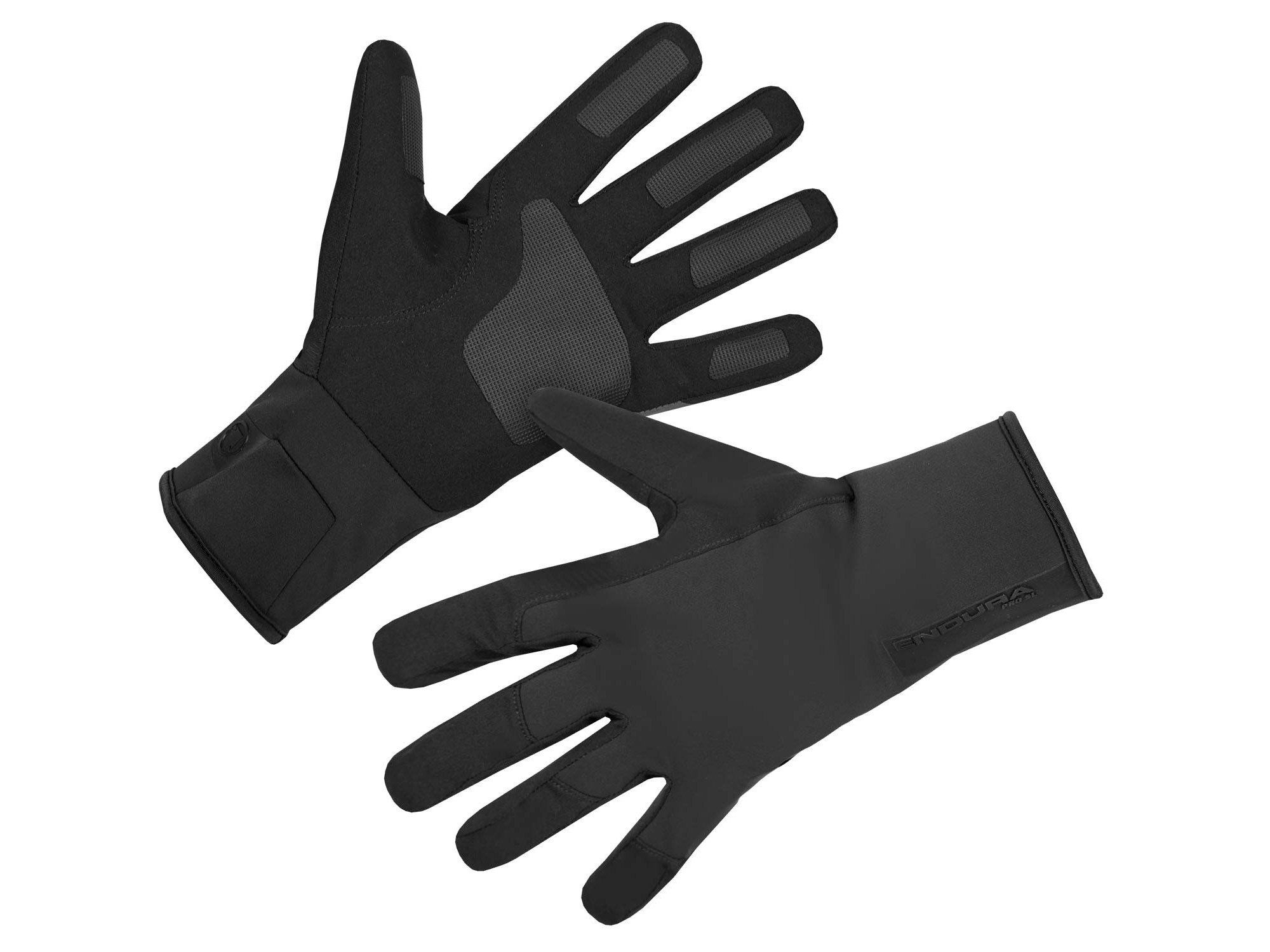
Endura Pro SL Primaloft Waterproof Cycling Gloves – The Pro SL Primaloft is Endura’s warmest waterproof glove. These premium hand warmers keep roadies comfortable all winter long.
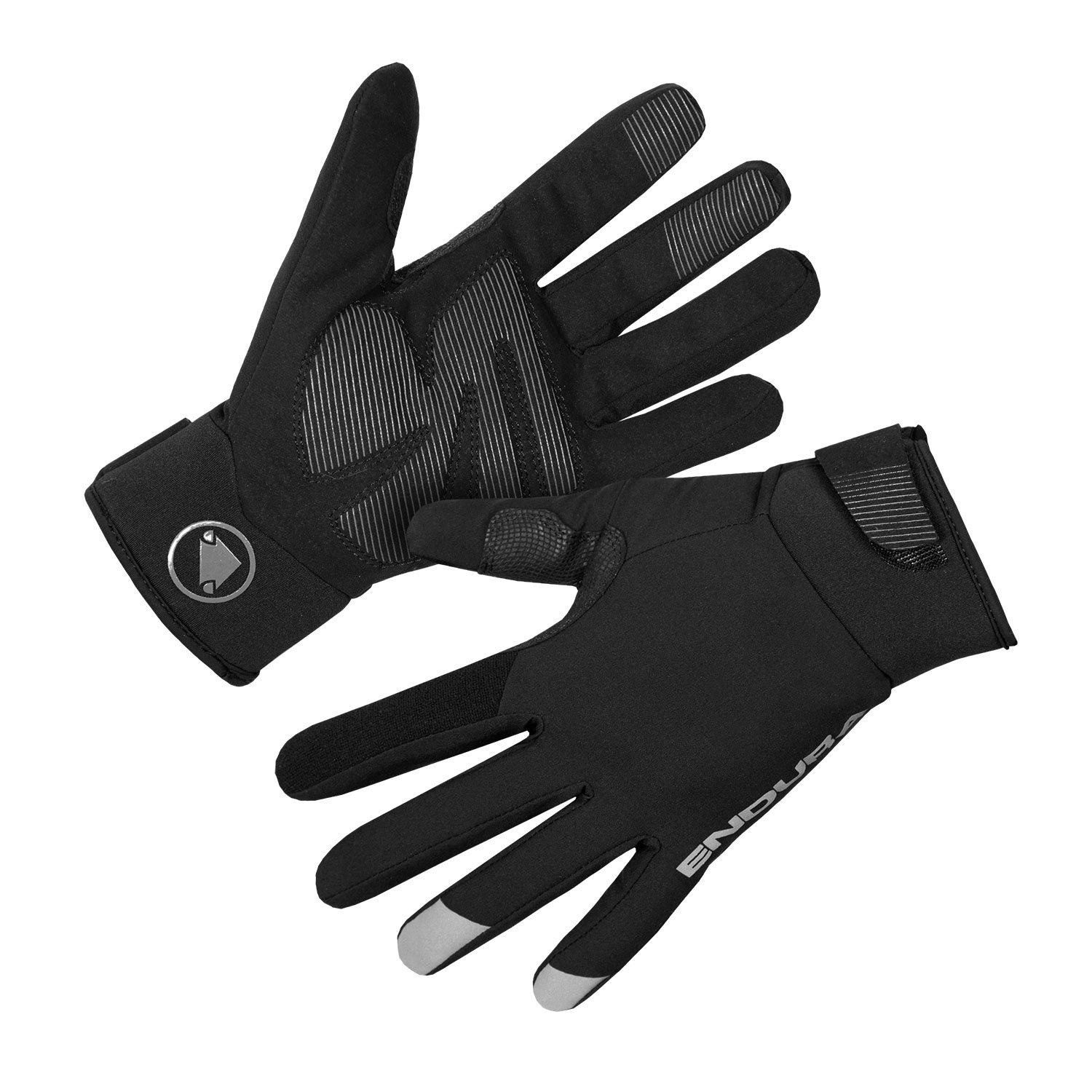
Endura Women’s Strike Waterproof Glove – This Women’s Strike glove is a low bulk, waterproof all-rounder with gel palm padding which doesn’t compromise dexterity on or off the bike.
Assos Ultraz Winter Gloves – Compared to the standard Winter gloves, the Ultraz model adds a neoprene cuff and an insulating lining to a more robust softshell material which boosts heat retention behind the breathable, weatherproof exterior.
Rapha Pro Team Winter Gloves – Rapha Pro Team Winter Gloves seal warmth for cold tempo rides. Slim full finger fit keeps control sharp. Push through cold with comfort.
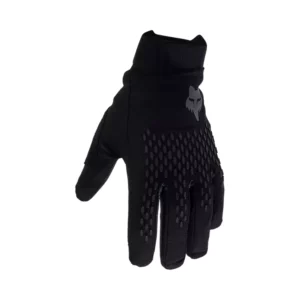
Fox Racing Defend Pro Winter Glove – The extended cuff combined with the AX Suede fleece palm make the Defend Pro Winter Gloves reliably warm cycling gloves. Add in a conductive Clarino overlay on your index finger for touch screen compatibility, plus an abrasion-resistant print on high-wear areas of the back of the hand for beefed-up protection and you’ve got the perfect partner for your cold-weather rides.
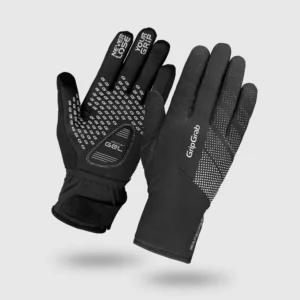
Gripgrab Ride II Waterproof Winter Gloves – The waterproof fabric provides exceptional protection, and the insulated backing and hook-and-loop cuff closure help to keep the warmth inside.
Protection for your head
Last but certainly not least in your winter riding protection is headwear. There are a number of options to wear under your cycling helmet to protect your head, ears and full face if you require it. There are thermal skull caps made of merino wool for maximum warmth, synthetic caps or just a waterproof cap for rain resistance.
There are also options for those that find their nose and face cold in the form of buffs or multitubes which, come to think of it, can double as a head covering also if you do not want to buy too many accessories.
Face and head are very important especially when cycling into that cold, driving wind and rain/sleet/snow. We would recommend a good thermal hat and a buff to cover your nose and mouth. The buff is often the forgotten item in winter, but it protects your face from the elements and when it is really cold, sleeting, snowing or raining, it also takes the edge off breathing in the really cold air.
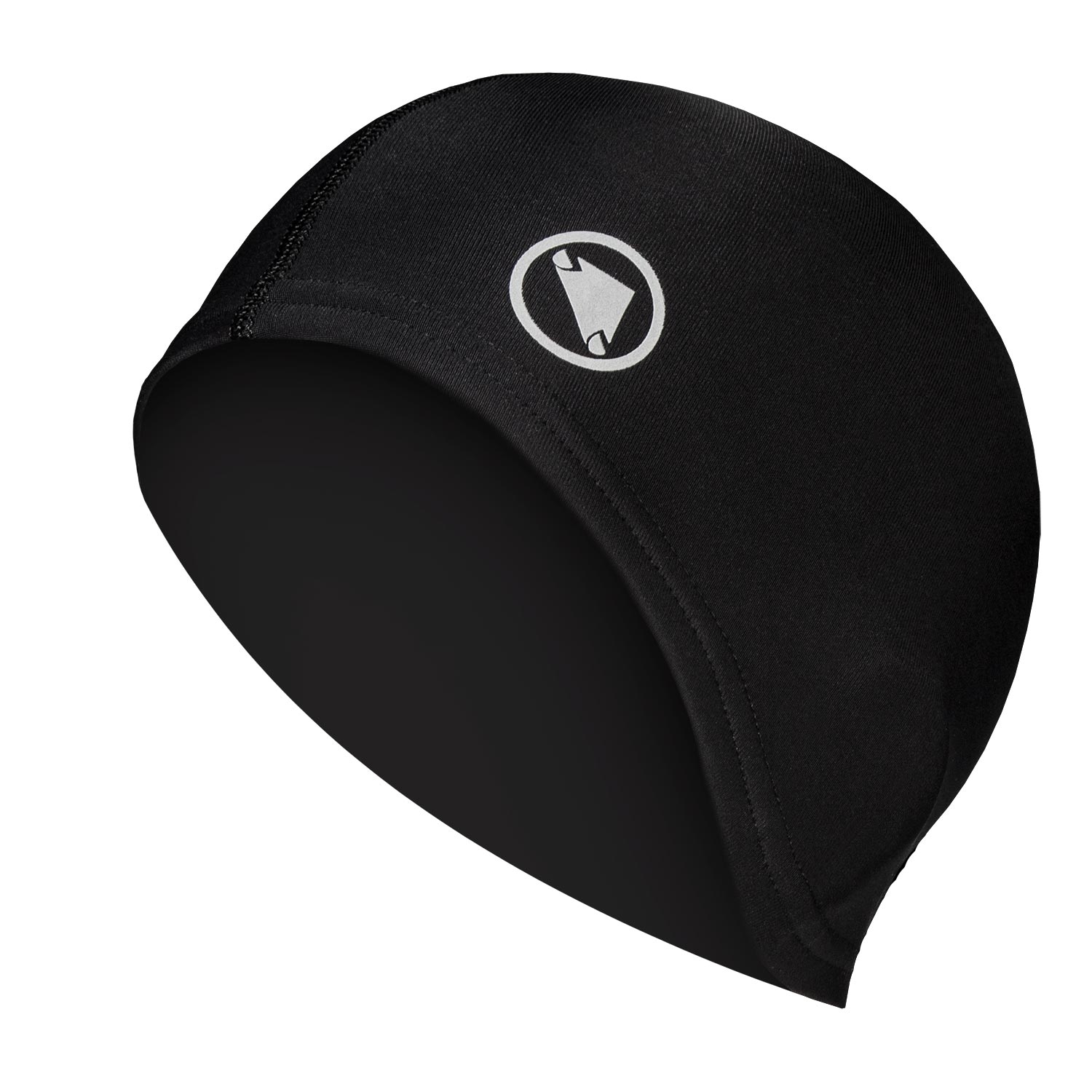
Endura FS260-Pro Thermal Skull Cap – No fuss, just function – add extra warmth to those cool, crisp rides with the FS260-Pro thermal winter skull cap.
Look After Your Clothes
Something that is often forgotten about when washing your cycling clothes is where DWR or Durable Water Repellency or the equivalent is concerned where the fabrics are coated with an agent that will help bead water and flow off your garment keeping you drier for longer. If you clean these garments in your regular wash then the DWR will just wash off. It is important, therefore, to wash the DWR garments (usually your bib-tights, bib-knickers, jackets and jerseys) with a specific cleaner such as Nikwax Tech Wash to extend the life of your garments.
We have always maintained that winter cycling can be some of the most enjoyable cycling you can do provided you are wearing the correct clothing so that you are warm enough and comfortable. And from a training point of view, warm muscles are a lot more efficient than cold muscles.
Anyway, we hope this article has inspired you to keep riding through winter by getting you kitted out in the right winter cycling clothing.
Safety Tips For Riding In Cold Weather
Be Visible
Cycling in winter can be incredibly enjoyable and there are a few ways you can make yourself even safer with your choice of clothing. Among most of the options above you will find many high visibility options to make you stand out on the road and cycle paths. With the best jerseys, outer layers and bib tights, you will find strategically placed reflective details that only add to your visibility.
We hope it goes without saying that lights need to be used at night (in fact, it’s a legal requirement) but we would also advise running lights at all times of day in winter because even in the day, it is often not very bright.
Bike Maintenance for Winter
Aside from being more visible, there are tweaks you can make to your bike to make it safer for winter riding. The first is to lower the pressure in your tyres to provide more grip in the wet while also providing more comfort. It is also advisable to fit mudguards to protect you and your bike from the road spray and the detritus that is on winter roads.
Frequently Asked Questions
Our favourite part – covering the top questions as decided by the internet. Here goes…
Do I really need special cycling clothing for cold weather, or will my normal winter clothes do?
Winter cycling clothing is not an absolute essential but they will keep you warm but also extremely comfortable. Normal winter clothes will no doubt provide warmth but are they are unikely designed for high intensity effort and sweating. We would also suggest that they would provide too much warmth as they are designed for everyday life rather than exercise.
The biggest difference with winter cycling clothing is that it is designed to wick the sweat away while keeping you warm and comfortable.
What’s the basic layering system for winter cycling in the UK?
This will be different for each person and the weather conditions but it is useful to have a three layer system. Three layers for the coldest days (base layer, mid layer and outer layer) and then this can be tweaked for higher temperatures such as only wearing the base layer and outer layer. Three layers provides you the most versatility for the inconsistent winter conditions in the UK.
How cold is “too cold” to cycle, and can clothing actually make it comfortable?
We don’t know if there is “too cold”, certainly not in the UK. As long as the roads are not icy and dangerous you are good to go.
And as to the second part of this question, yes, winter clothing can make this comfortable and if it gets too cold then adding another layer or two will work a treat.
Should I prioritise waterproof or thermal gear for UK winter riding?
We would probably say here to prioritise the thermal gear for one main reason. Non-waterproof clothing has better breathability to keep you comfortable as well as warm. It is very easy to overheat in waterproof clothing for higher intensity rides.
That being said, waterproof jackets work really well for low-intensity commutes or leisure rides.
How do I stop my hands and feet going numb on the bike?
Many of the same principles apply to hands and feet as the rest of the body. Invest in good winter thermal gloves and socks but you can also layer. If you have good winter gloves and your hands are still cold, you can find some inner gloves to wear as well for an extra layer of insulation.
You have a lot of different options for your feet. You can layer with good winter socks and some thermal overshoes, or you can invest in some full thermal cycling shoes to keep your feet warm and dry.
Another thing to make sure of is that your core is sufficiently warm as cold hands and feet indicates blood flowing to your core when it gets cold. If you are feeling a bit chilly in the torso, try adding an extra layer to see if this stops your hands and feet going numb.
I commute and also do longer weekend rides. Can one set of kit cover both?
Well yes, but assuming that one of these rides is low intensity and one is higher intensity, one of these rides you might be a little more uncomfortable than the other. This does lean into our advice about layering as you can add or remove these layers depending on the ride you are doing.
I run warm and get sweaty quickly. How do I avoid overheating in winter kit?
We would still advise layers in this scenario for the breathability but maybe opt for lighter versions of each layer. Rather than a deep winter base layer, opt for a regular winter, or spring/autumn one. And rather than the most thermal winter cycling jacket, opt for one version down. It’s that, and a bit of trial and error.
Is winter cycling kit really worth the money if I only ride a few times a week?
This is a question that you can only answer yourself… Can you justify it? It it were us, we could justify it for the extra comfort and warmth provided. And a ‘few’ times a week is still almost half your week cycling so yeah, we would say it would be worth it.
How do I know what size and fit to choose when layering up?
Another personal preference question here as not everyone is as keen on tight and aero cycling clothes. The basic advice is that when trying on a base layer, it should be skin tight. For the other layers, such as a mid layer and outer layer, just be mindful about what you will potentially be wearing under them and size accordingly.