
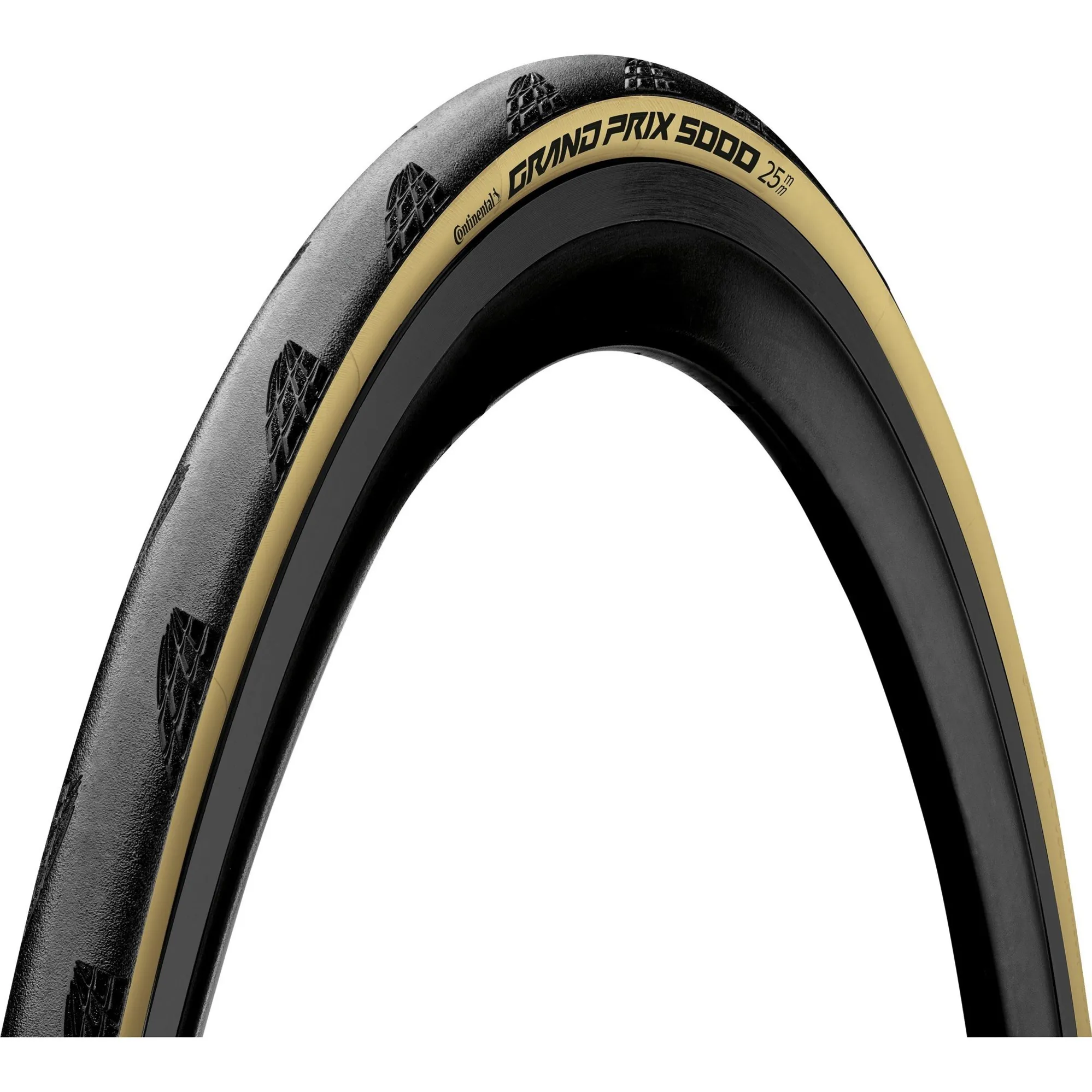

In cycling, tubeless tyres were first adopted in mountain biking, but now tubeless bike tyres are available for all styles of bicycle. But what are tubeless tyres and why would you want to set your bike up tubeless? To help decide if going tubeless is right for you, we will have a look at these, and other, questions on all things tubeless.
Contents and Quick Links
- What is Tubeless?
- Instant Answers
- How It Works
- The Benefits of Tubeless
- The Downsides of Tubeless
- Do I Need Tubeless
- What’s Required to go Tubeless?
- How to fit Tubeless Tyres
- Best Tubeless Tyres by Discipline
- Frequently Asked Questions
What is Tubeless?
Tubeless setup is where you have a tyre that does not have an inner tube. Instead, the tyre is mounted on the rim and is filled with tubeless sealant – a liquid that sloshes inside the tyre that seals the tyre bead to the rim as well as sealing punctures while you ride. In order to setup your bike tubeless, you will require special rim tape, specific tubeless valves, and a tubeless ready tyre.
Instant Answers
Before we get into the meat of it, here are the short answers to what we will look at in more detail below.
Benefits of Tubeless
-
Most punctures will be sealed by the tubeless sealant
-
Run lower pressures on your tyres (more grip and/or more comfortable ride)
-
Pinch flats, or pinch punctures, are a thing of the past
-
Lower rolling resistance (compared to the same tyre with an inner tube)
Which Riders do Tubeless tyres suit?
-
Mountain Bikers/Electric mountain bikers – the tubeless system originated with mountain bikers. The benefits for mountain bikers are; lower pressures for better corner grip, and most punctures are sealed.
-
Road Cyclists – benefits of tubeless setup for road bikes include puncture protection and lower pressures without the risk of pinch flats. A tubeless setup will likely result reduce rolling resistance also.
-
Gravel cyclists – much the same as mountain bikers, the benefits here are; lower pressures for better grip especially off-road, and the puncture protection.
-
Commuters/Leisure Cyclists (including e-bikes) – There’s a pattern here – the benefits are lower pressure for the comfort, and the puncture protection.

How it Works
Tubeless works by replacing the inner tube in your tyre with a liquid sealant. The sealant sloshes around inside the tyre, sealing the tyre bead to the wheel rim. The sealant stays inside the tube until you clean this out, or it escapes through a large puncture. In order to set a bike up tubeless, you require some essentials: the rim to be set up with tubeless rim tape, a tubeless valve, the sealant, and a tubeless ready tyre.
A tubeless ready tyre differs from a non-tubeless tyre as it has a inner coating that is airtight. Because there is no inner tube to hold the air, tubeless tyres will also have a bead that provides an airtight seal with the rim. The sealant will also help secure the tyre to the wheel rim.
The Benefits of Tubeless Tyres
-
No inner tube – A tubeless tyre has a reinforced bead and is kept in place with sealant, so no inner tube is required.
-
Avoid pinch flats – No inner tube means farewell to pinch flats (AKA snakebite punctures) caused by the rim pinching the tube when you ride off a ledge or through a bomb hole.
-
Lower tyre pressures – Eliminating pinch flats means you can safely run tubeless tyres at lower pressures.
-
Better grip – Riding the bike tyres softer can offer better traction – especially off road or on loose surfaces.
-
Seals punctures – The tyre sealant doesn’t just glue the tyre into place. It also helps prevent flats by sealing punctures on the go. The big companies claim that their sealant will seal holes up to 4mm.
-
Faster/more efficient – Because there is no inner tube, a tubeless tyre will be faster than the equivalent tyre with a tube.
-
Lower weight – Compared to a standard butyl inner tube, a tubeless tyre usually saves at least 50g of weight and is therefore, more efficient.
The Downside of Tubeless Tyres
-
Messier – Working with sealant can be messy whether you’re installing the tyre or you’re faced with fixing a flat.
-
Specialist tools required – When initially setting up tubeless tyres and ‘seating’ the tyre bead to the rim, a powerful burst of air pressure is required. This usually means use of an air compressor or a specifically designed track pump with an air storage reservoir.
-
Tight fit – tubeless tyres can sometimes be a tighter fit so can be harder to fit or remove but this very much depends on the tyre and rim.
-
Cost – Some tubeless tyres can be more expensive than their non-tubeless equivalents.
-
Maintenance – Sealant should ideally be cleaned out every six to nine months. This is a messy job and you require the tools to re-seat the tyre.
For all these downsides, the majority of people we know who have converted to tubeless tyres are delighted to have done so, and wouldn’t think of reverting to tubes except for emergency repairs.
Consider the disc brake analogy. Like hydraulic disc brakes, tubeless tyres are a motor vehicle-proven upgrade, which deliver an improvement in ride, feel and performance that more than compensates for any potential extra level of complexity, maintenance wise.
Do I Need Tubeless?
Whether or not you need tubeless will very much depend on the riding style and frequency of riding. For some, tubeless will be a no-brainer but for others it might not be worth it. Here, we have broken it down into cycling disciplines and our general advice for each.
Mountain Biking/ Electric Mountain Biking
Verdict: Good Fit
We would say here that if you are a regular mountain biker who rides trails or downhill then tubeless is definitely worth it. The extra grip you get round corners and not having to worry about pinch flats are huge bonuses to keen mountain bikers.
If you are not such a regular rider then we would leave this to personal preference but the consideration would be on the maintenance side. If sealant sits for too long, not moving, it can congeal in the tyre meaning you would have to clean it out and set it all up again more regularly. But if you think you would benefit from the added grip and fewer punctures then go for it.
Gravel Cycling
Verdict: Good Fit
This is actually a very similar answer to the above. A regular gravel rider who is mostly off-road would benefit from the tubeless tyres for the same reasons as the mountain bikers – less pressures for more grip and the added puncture resistance. For those on gravel bikes who are mostly on-road, the benefits would be lower pressure for more comfort and the puncture resistance. If you feel that this balances the need for cleaning and changing the sealant then it is worth setting your bike up tubeless.
Touring Bikes
Verdict: Probably best to skip
This is probably the only style of cycling that tubeless setup would be unlikely. Touring cyclists usually like to be self sufficient and carry all they need for roadside repairs. In this scenario, it is actually more convenient to use and carry spare tubes and not have to worry about a situation where you have to put a tube in a tubeless tyre. Now that’s a messy job at the roadside.
Bikepacking Bikes
Verdict: Probably best to skip
A bit more personal preference than touring but it’s a similar thought process to the above. If you are doing multi-day bikepacking and need to be self-sufficient then probably best to use and carry tubes. If you are on shorter distances then the trade offs between the benefits of lower tyre pressures, fewer punctures and more comfort, and the downsides of messy roadside repairs (unlikely but it happens), will have to be considered.
Road Bikes
Verdict: Personal preference
Tubeless road tyres have become more and more popular in recent years with many companies actually setting up tubeless right off the peg (Giant and Liv being the main examples). The benefits here would be more comfort from lower tyre pressure and the puncture protection. You will likely see more tubeless setups on endurance bikes due to riders of those bikes prioritising comfort over efficiency but it is also not uncommon to see these on race bikes as tubeless tyres are faster due to the lower rolling resistance you get when you remove the inner tubes.
Commuter
Verdict: Personal preference but usually stick to tubes
When it comes to setting a commuter bike up tubeless, the consideration here will be to weigh up the benefits of increased puncture protection and lower tyre pressures with the potential hassle of putting in an inner tube at the roadside if you get a puncture that cannot be sealed. It is for this reason that we would usually recommend that commuters still run tubes but opt for a more puncture resistant tyre.
If you find that a lot of pinch flats occur on the roads or paths you travel on, tubeless could be a great way to stop these as you can run lower pressures without the risk of pinch flats.

What’s required to go tubeless?
Here is a list of the gear you will need to make your bike tubeless.
A Tubeless Ready Rim
Already set up Tubeless Ready
If you already have tubeless compatible wheels then you will already have tubeless rim tape and valves included. If you are keen then you could check the rim tape to ensure there are no gaps, tears or other issue that will prevent the tape providing an airtight seal.
Rim Not Set Up Tubeless
If your rim is not set up tubeless ready than you will need to purchase some specific rim tape designed for tubeless setup. This tape is made from a different material than classic rim tape as this is airtight. There are many different widths of rim tape available, please just make sure you pick one that is the correct size for your rim.
Note: Not all rims can be set up tubeless. If you have any doubts, please get in touch with us and we can help.
Tubeless Tyre
The next item you will need is a tubeless ready tyre. Tubeless ready tyres are coated internally with an airtight material. All tyres will also have this written on the sidewall so you can check if your tyres are already tubeless ready.
There are quite a number of ways to say ‘tubeless ready’ on packaging or on the tyres themselves. Here are some of the most popular.
-
TLE (Tubeless Easy)
-
2BR (2Bliss Ready – A Specialized invention)
-
TL (simply ‘Tubeless’)
-
TLR (Tubeless Ready)
A Tubeless Valve
Another incredibly important part of a tubeless setup is the valves. These go into a presta sized hole in the rim and, again, create an airtight seal inside the rim. These valves will usually have a removable valve core to allow you to inject the sealant.
The Sealant Itself
And last but not least is the sealant itself. This will coat the inside of the tube and rim with the sealant which will seal the tyre bead to the rim, the valve to the rim and the remaining liquid will slosh around inside the tyre to seal any small nicks you get to your tyre.

How To Fit Tubeless Tyres
1. Check Your Rim Tape
The first step is to either fit or check your existing rim tape to ensure that there are no gaps, kinks or holes in your tubeless rim tape. If you are fitting this for the first time, ensure the tape covers the entire flat bottom of the rim, right to the edges (and even allow this to overlap ever so slightly).
A rough guide to the correct rim tape would be to measure or look up your wheel’s internal rim width and choose a tape which is approximately 5mm wider to ensure a good seal.
2. Insert Tubeless Valve
If you have fit the tubeless tape for the first time, you will likely need to create a hole through the tape at the point of the valve hole in the rim. This will need to be done carefully so as not to allow a space for the sealant or air to escape. Once done, insert the valve by pushing down firmly and then tightening with the ring bezel that comes with every valve. Ensure a firm fit.
3. Seat The Tyre
Seating the tyre and adding the sealant can be done one of two ways depending on preference. We will look at each one now.
Seat the Entire Rim and Add Sealant Through the Valve
Pretty much exactly as it sounds – you would seat the tyre on the rim as you would after repairing a puncture ensuring the bead is inside the rim on both sides. You would then use a valve core removal tool to remove the valve core and then add the sealant through the hole. This requires a sealant bottle or applicator that is thin enough to inject the sealant.
Note: the reason you would not add sealant this way is that the sealant can sometimes harden inside the valve making pumping up the tyre more difficult in future.
Adding the Sealant Before fitting the second bead inside the rim
This one is a bit trickier and requires some practice. Here, you would fit one bead inside the rim and leave the other one out. At this point you would add the sealant directly inside the tyre being careful not to spill (been there). You would then fit the second bead inside the rim starting from the bottom where the sealant is.
Amount of Sealant by tyre size
Here is a handy chart for amounts of sealant by the width and size of tyre. This is according to one of the big names in the sealant world, Stans.
| Tyre Size | Amount of Sealant |
|---|---|
| 700c x 40mm | 60ml (2oz) |
| 700c x 32mm | 55ml |
| 700c x 28mm | 50ml |
| 650b x 47mm | 80ml |
| 29″ x 2.8 | 130ml |
| 29″ x 2.4 | 110ml |
| 27.5″ x 2.4 | 105ml |
| 26″ x 1.95 | 80ml |
4. Pump up the Tyre
Depending on the tyre and rim combination, you can sometimes pump these up with a regular track pump if they are some of the tighter fits. For all others you will likely need an air compressor to basically blast the beads onto the rim. There are also some track pumps available that can store the air to be released at once to force the bead onto the rim.
5. Distribute the Sealant
Once the tyre is pumped up and holding air, just move the tyre so that the sealant covers all of the inside of the tyre. This will ensure that the sealant gets to any areas that might be letting air out, and are sealed with the sealant, particularly where the rim and tyre bead meet.
Note: it is not uncommon for air to escape initially as the sealant gets everywhere inside the tyre so it is important to check your tyre pressures before each ride in the early days of the setup.
Best Tubeless Tyres By Discipline
We have rounded up some of the best tubeless tyres available now, grouped by riding discipline.
Best for Mountain Bikers
Maxxis Highroller 3 DD 3C Maxgrip – £56.99 (29% reduction while stock lasts)
Maxxis Highroller 3 Exo 3C – £52.99 (24% reduction while stock lasts) –
Maxxis Minion DHR II Exo 3C Max Terra – £49.99 (9% reduction while stock lasts)
Best Road tyres for Tubeless
Continental Grand Prix 5000 All-Season Tubeless Ready– £62.99 (34% reduction while stock lasts)
Continental Grand Prix 5000S BlackChili Classic Black – £53.99 (36% reduction while stock lasts)
Continental Grand Prix 5000S BlackChili Black/Transparent – £58.99 (31% reduction while stock lasts)
Pirelli P-Zero Race TLR Black – £56.99 (33% reduction while stock lasts)
Pirelli P-Zero Race TLR Tanwall – ££56.99 (33% reduction while stock lasts)
Best for Gravel Cycling
Schwalbe G-One Allround Performance TLE Black/Bronze – £29.99 (35% reduction while stock lasts)

Frequently Asked Questions
Here are the most frequently asked questions according to search engines.
Can you put a tube in a tubeless tyre?
Yes you can put a tube in a tubeless tyre but please note that this can sometimes be an incredibly tight fit. Also, when putting a tube in a tubeless tyre, please be careful not to pinch the tube between the tyre bead and the rim.
How Do You Pump Up A Tubeless Tyre?
There a number of ways to pump up a tubeless tyre depending on what stage you are at…
Setup
When initially setting up a tubeless tyre, you can sometimes pump these up with a track pump but if you can’t, you will likely need an air compressor to force the bead onto the rim.
Day to Day
You can easily use a Track pump or hand pump for topping up the air in your tyres.
Important Note
If you use CO2 Canisters to pump up tyres, please check with the sealant manufacturer whether the sealant is compatible. CO2 can sometimes affect the sealant’s ability to seal punctures and can affect the liquidity meaning you will have to replace.
How Often Does Sealant Dry Out?
This depends on how much the bike is used. If the bike is used regularly and the sealant is continuously moving then it will last longer than if the bike sits stationary. It is recommended that you remove old sealant and replace with new every six to nine months. If you get a puncture that loses a lot of sealant before sealing then you can top up with fresh providing the old has not been in there too long.
What Pressure is Too Low?
As we have mentioned in this article, one of the main benefits of tubeless is the ability to run tyres at a lower pressure for more grip and more comfort but is there too low a pressure? We can’t put a number on it but we would say too low would be where the rim is at risk from hard impacts as there wouldn’t be enough air to protect it. If you ever get that nasty feeling of your rim hitting a rock, tree root, kerb or pothole, it is definitely necessary for you to put more air in your tyre.