
You don’t have to own cycling shoes in order to ride a bike, but most people who become serious about cycling end up investing in a pair at some point. They make your cycling easier, more efficient, and altogether more enjoyable. Not only that, but they can also help with potential knee injuries and other ailments that you may suffer from while cycling. We will explore in this article how different types of bikes and different styles of cycling will affect your decision on which pedals and shoes will be best and then going on to list the differences between the pedal and shoe types.
We have a comprehensive guide on all things Cycling Shoes and Pedals here.
Fast Forward to:
- Road Shoes and pedals – A description of road shoes and pedals, including pros and cons
- Road Cleats – A description of road cleats
- Flat Pedals and Shoes – A look at flat shoes and pedals and the benefits of these
- Mountain Bike Shoes and Pedals – What characteristics do mountain shoes and pedals have?
- Recessed Cleats – The benefits of recessed cleats
- How Stiff Soles Affect Cycling Shoes – A look at the difference that the stiffness of cycling shoes makes.
- Top Tips on Pedals and Cleats – Our top tips for starting out with clipless pedals
To the uninitiated, cycling shoes can seem a little complex, but they’re really quite straightforward. All cycling shoes are stiffer in the sole where the shoe meets the pedal, and some have cleats on the bottom that clip into specific pedals you can put on your bike. Perhaps the most confusing aspect of the pedals below is that they’re all called ‘clipless pedals,’ even though you clip into them.

There are essentially two kinds of shoes with cleats: Those designed with walking in mind, and those designed to make cycling as efficient as possible (and as a result the walking part becomes a bit more difficult.) Also worth noting is that because you can get different kinds of cleat systems – each one specific to a certain type of pedal – cleats come supplied with the pedals and not with the shoes. So without further ado, here’s our guide to cycling pedals and shoes in case you’re thinking of investing in a pair and taking your cycling to the next level.
Throughout this article, you will see the term ‘clipless pedals’ which requires an explanation. When referring to ‘clipless’, this refers to pedals that you physically clip into with a separate cleat that fits to the underside of your chosen shoe. It can be confusing as you actually do ‘clip’ into the pedal. We believe this term comes from the days when pedals used toe clips, a separate cage that goes over your toe and then you tighten yourself in. With that taken care of, let’s get into it.
How Do Clipless Pedals Work?
For clipless pedals to work, you require three extra items – cycling pedals, cycling cleats, and specific cycling shoes. Each of these has to be compatible with the other as there are many different sizes and types of clipless pedal systems out there. Essentially, the cleat attaches to the bottom of your cycling shoe and this cleat is designed to be accepted by the specific pedal. These give you a more secure platform when road cycling, gravel cycling, commuting, or mountain biking. So what are the different styles of cleats? We are so glad you asked.
Head-to-Head, Style Overview
Before we look at each style of cycling pedals individually, here is an overview of each shoe with the pros and cons of each. The styles are 3-bolt SPD-SL or equivalent (Road), SPD or equivalent (mountain/other), and flats.
3-bolt system – SPD-SL, Look Keo, and others (Road)
Pros
- The most efficient of the pedal systems
- A broad base for your foot for comfort over long distances
- Keeps you attached to the pedal even in the wet
Cons
- Harder to walk as the cleat sits out from the sole
2-bolt System – SPD, Hope, and others (Gravel/mountain/touring)
Pros
- More efficiency than a flat pedal
- You can walk in the shoe when off the bike
- Less cleat wear as the cleat is not in contact with the ground as much as a road cleat
- Keeps your feet firmly in place even in the wet and mud
Cons
- Not as efficient as a road shoe
- Can be uncomfortable over long distances
Flat Shoes with Specific MTB pedals
Pros
- Extra Grip on the pedals without being fully attached to the bike
- Maintain grip in wet and muddy conditions
- Easier to bail out if you fall off, or put a foot down to steady yourself
- Easy to walk in when off the bike
- Specific MTB flat shoes have extra robust soles for use with pinned MTB pedals
Cons
- No extra pedalling efficiency
Flat Shoes/Trainers
Pros
- Using your own shoes/trainers saves money on specific cycling shoes
- Easy to walk in
Cons
- No added pedalling efficiency
- Not as robust as specific MTB flats
- No added grip in wet/mud
Road Shoes And Pedals
Road cycling shoes are what many people have in mind when thinking of dedicated cycling footwear. The soles can be virtually or totally inflexible, and they all feature a cleat that clips into dedicated bike pedals. The soles are also very thin in order to deliver maximum power transfer possible and to maximise that feeling of being dynamically connected to the bike. With road shoes you also get the efficiency of being able to utilise more of the pedal stroke thus eliminating ‘dead zones’ in the stroke. Because of the stiffness of the uppers as well as the sole, it’s important to get a really good fit.
Although there’s more than one kind of cleat system for road shoes, one of the most popular kinds remains the ‘Look’ system invented more than 40 years ago. With this system, the cleat is bolted on to the sole of the shoe instead of recessed, so you wouldn’t want to walk far in them. Another popular option is Shimano, whose pedals accept Shimano SPD-SL cleats.
Road cleats
Road cleats have a very specific shape and are bigger than their MTB equivalent. The larger size gives a broader base for the foot that spreads the force over a larger area to give greater efficiency and comfort over long rides. A road cleat will sit out from the sole of the shoe so road shoes are designed for use on the bike with limited walking ability. If you do walk in your cleats, it will wear them out very quickly so best to avoid unless over very short distances.
If you are looking for a shoe to give you the greatest efficiency and comfort and do not need to walk any significant distance then road cleats are for you.
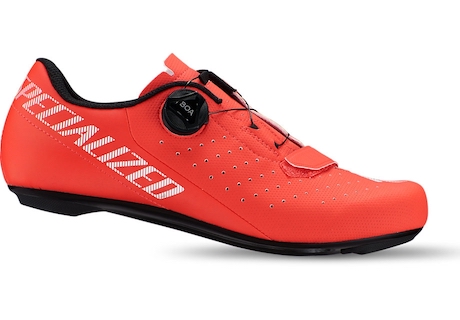
The Specialized Torch 1.0 is affordable, light and stiff for maximum cycling efficiency. Click the pic to find out more about this shoe.
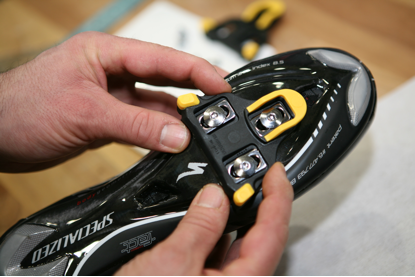
Road cycling cleats are bolted to the sole of a road shoe. Shown here is the Shimano SPD-SL cleat
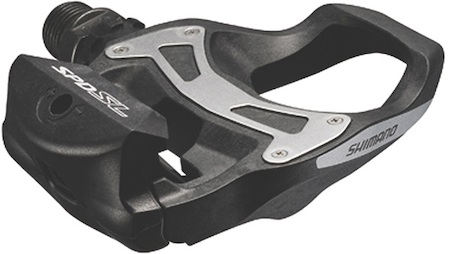
Shimano’s SPD-SL R550 pedal that fits the cleat shown directly above.
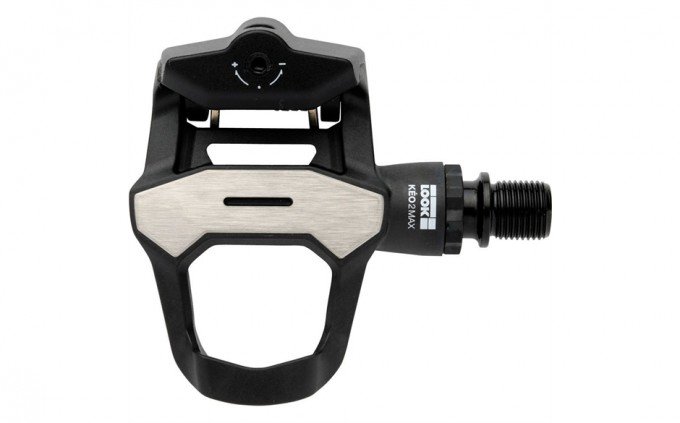
Look road pedal that uses a look specific road cleat.
Non-clip Mountain Bike/Leisure Shoes And Pedals:
These are much more what would be considered a normal-looking shoe, and the only part of the shoe that’s stiffened is where the sole makes contact with the pedal. Paired with a pedal such as the below, you can attain maximum grip but not being clipped in to the pedals and the bike.
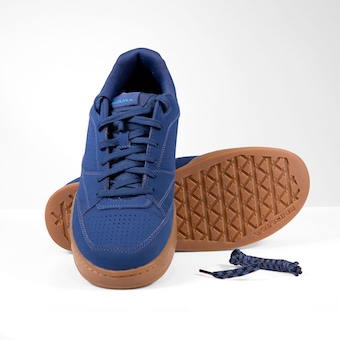
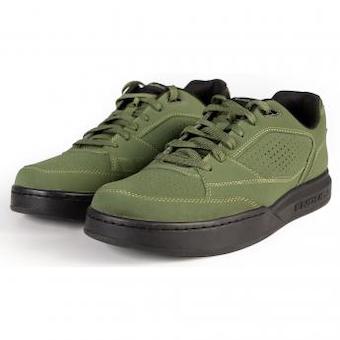
The Endura Hummvee Flat Pedal Shoe can’t receive cleats, but features super grippy rubber instead
Many people who use the shoes without a cleat use flat pedals or ‘flats’ that look like a standard pedal but have raised pins to add extra grip. These help your feet stay on the pedals when you are bombing downhill. Just be sure to use specific shoes that have a toughened sole.
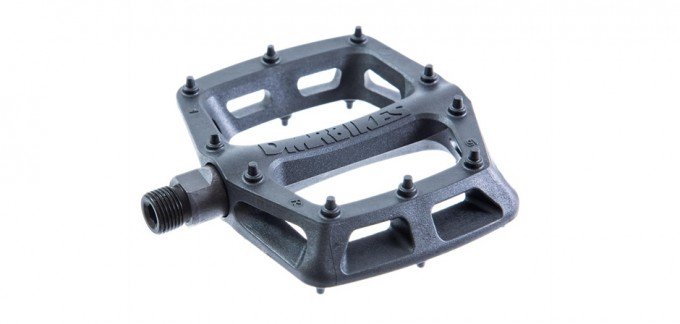
The DMR V6 Flat Pedals.
You also get mountain bike/leisure shoes that take cleats. In this case, the cleat is recessed into the shoe’s sole instead of bolted on, which means that unlike road shoes you can walk around comfortably without making that clip-clop sound.
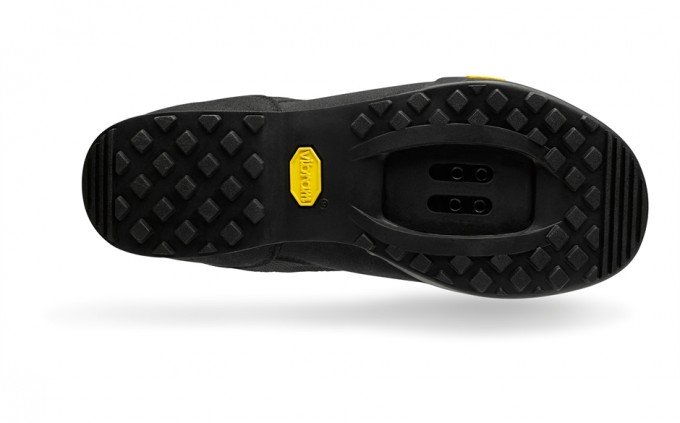
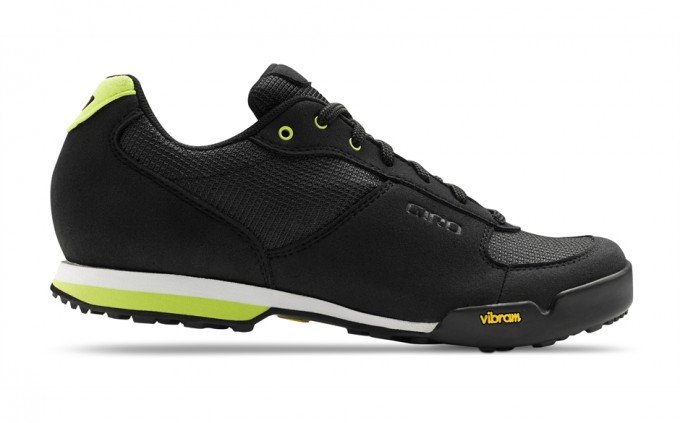
The cleat is recessed into MTB/Leisure shoes to make walking straightforward
Shoes such as these would use a cleat system called the SPD. Some of the SPD pedals come dual sided and some, like below, have a flat on one side and a clip on the other so you do not have to clip in every time.
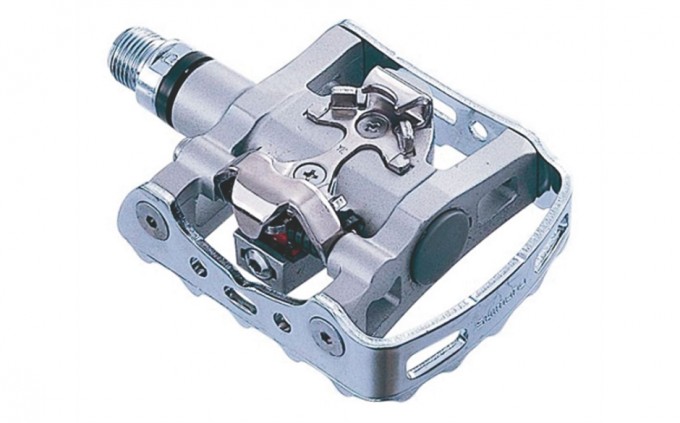
The Shimano M324 SPD Pedals, with the SPD clip on one side and a normal flat pedal on the other. Perfect for people who are unsure about using cleats and want to mix and match
Mountain Bike / Expert Shoes And Pedals:
The big difference between off-road/mountain bike pedal systems and their road equivalent is that the shoes accept a sunken cleat which allows you to walk in the shoes without the cleat coming into contact with the ground. This is especially useful while MTB biking, gravel cycling, touring or cyclocross races – any cycling where it would be useful to be able to walk in the shoes as well as clip into. The Shimano terminology for these pedals is ‘SPD pedals’.
Recessed cleats
Mountain bike shoes and touring bike shoes will come with recessed cleats (also known as mountain bike cleats or ‘SPD’ cleats). These are recessed in order to secure you to the bike but also allow you to walk when you are off the bike. Below are the types of cyclist and riding these cleats would be ideal for.
Mountain biking
Mountain bike cleats are great for cross country mountain bikers as they secure you to the bike and increase efficiency but also allow you to walk if there is a section that you have to push or carry your bike.
For trail centre and downhill it is very much a personal preference based on skill and confidence. On the one hand, the cleats secure you on the pedal and stop your foot getting bucked off the pedal but on the other hand, some people fear not being able to unclip in time in the event of a spill.
Touring biking
Similar benefits are to be found by clipping in when touring on your touring bike. It provides more efficiency (especially uphill), it secures your foot on the pedal in rain and times that might make your foot slip, and the recessed cleat allows you to walk in your shoes in relative comfort.
Gravel cycling
This one is all about personal preference. You can actually choose either cleat for gravel riding off road or on-road. Choose the recessed spd style if you want a shoe that gives you a bit more efficiency and the ability to walk in the shoe; or choose the road cleat system if you prioritise efficiency above all else and reduce the ability to walk when not on the bike.
Cyclocross riding
We are talking pure cyclocross racing here – a cyclocross track will commonly have sections of stairs or steep muddy slopes where you need to carry or push your bike so having the ability to walk or run is essential. For this reason, recessed cleats are a must. The other consideration is how stiff a sole to use which we will discuss next.
Cycle touring shoes will also feature this cleat system.
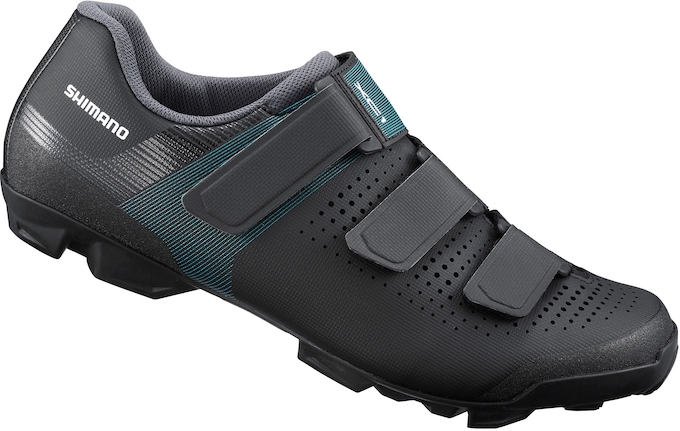
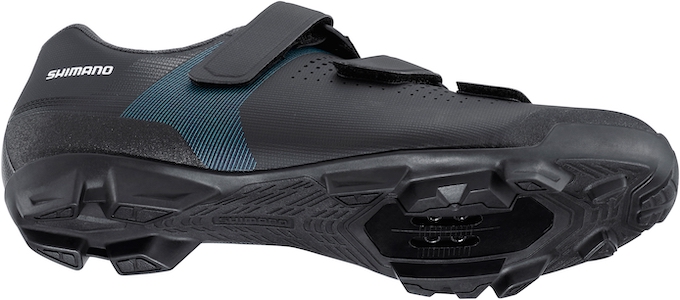
Mountain bike/expert shoes are stiff, with recessed cleats and lugged soles. Here, the Women’s Shimano XC1
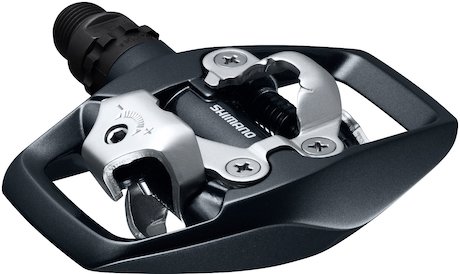
How stiff soles affect cycling shoes
As we touched on earlier, one of the features of cycling shoes is how stiff the sole is so we thought it would be a good idea to give the pros and cons of having a stiffer sole on the different styles of cycling shoes.
Sole Stiffness on Road Shoes
There is a direct correlation between the price of a road shoe and the stiffness of that shoe. The more expensive, the stiffer you get. That’s basically down to the fact that the stiffer the sole, the better power transfer you get. You will waste less energy bending your foot also which can also result in less fatigue over longer distances.
Sole Stiffness on Mountain Bike Shoes
The benefit of a stiff mountain bike shoe is the same as on a road shoe however it’s the trade-offs we need to discuss here. The pro is that you will have a more efficient shoe but the stiffer a sole you have on mountain shoes, the more difficult it is to walk in them. The lack of flex in your sole due to the stiff sole means walking is harder. When choosing, it is handy to weigh up how much walking you will be doing in the shoes and choose a sole stiffness based on that. The higher the proportion of walking time, the less stiff the sole you need.
See Shoes by brand here
- Shimano Shoes
- Endura Shoes
- Specialized Shoes
Which System Is Right For Me?
When choosing the right system for yourself, you will have to weigh up the trade-offs of each style. Whether you end up in clip-in cycling shoes or on flats, the shoes, cleats and pedals all have to match one another. Each style of bicycle pedal system has clear pros and cons and it will depend how you prioritise each one.
- SPD-SL or Look Keo style (Road) – You are looking for maximum efficiency and long distance comfort and do not mind that the shoes are not particularly easy to walk in.
- SPD or equivalent (Mountain/Gravel/Touring) – You still want more efficiency but also want the ability to walk in the shoes while off the bike.
- Flats (Mountain) – For those that do not want to be clipped in but want a robust shoe that can be paired with MTB pedals with pins. The easiest to walk in but you only get a fraction of the efficiency. The big benefit of flats for mountain biking is they stop your feet slipping off the pedals but with no unclipping required if you were to take a spill.
What is Cleat Float?
To make matters a little more confusing, for each clip-in style, there are a number of cleat float options. This refers to how much the cleat moves when you are clipped in to the pedals. Most range from ‘locked in’ with no float at all, up to 6 degrees. The most popular of these is the maximum float as these are the most forgiving on your knees and hips. If you opt for a cleat with no float and do not set them up correctly, this can lead to knee problems while on the bike.
A Few Top Tips On Pedals And Cleats
- Most cyclists ride most efficiently when the cleat position allows the ball of the foot to be over the pedal spindle.
- An easy way to figure out which cleat you need is that MTB style use two bolts while road pedals accept cleats that use three bolts.
- Be sure to match pedals with specific cleats – for example; Shimano pedals only match with Shimano cleats and in Shimano’s case, Shimano SPD SL pedals match the SPD SL cleats and the SPD cleats match the SPD pedals.
- It is usually most comfortable to match the gait of your walking style (i.e if you walk toes pointing outwards/inwards when walking, set your shoe up the same).
- The first time you ride with cleated shoes, practise stationary while holding on to a fence and once comfortable with this move on to soft grass or traffic-free road so you can concentrate on what you’re doing.
- Practise clipping into the pedal and releasing without looking down. Most important, practise unclipping your dominant foot whenever you’re coming up to a stop.
- To help ensure you get a great shoe fit, Specialized have supplied our Edinburgh Bruntsfield and Newcastle branches of our shops with a foot measuring tool. So if you’re near our Bruntsfield or Newcastle branches just pop in to get fitted! You can even check out Specialized Ebikes while you are in.
- What size shoe am I? See our size chart here.
Which Shoes for Which Purpose?
Best Pedals and Shoes for Winter Commuting
Choosing the best pedals and shoe combination depends on a number of factors. Here, we will give some advice and questions to help you find the best option for you.
The first consideration is whether you want a separate, warmer pair of cycling shoes for the winter months or whether you would like to use the same shoes year-round.
Winter specific shoes
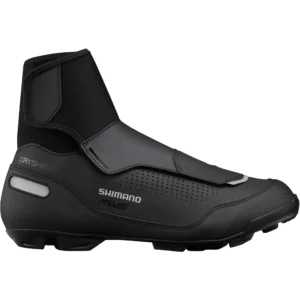
There are some great options for winter shoes out there, particularly the Shimano MW5 Dryshield Shoes. These shoes are spd style and are designed to keep your feet warm and dry during cold temperatures. These are definitely shoes that you would only wear in winter as these will be too warm in the summer. The pros of these shoes are that you do not need to invest in warm socks or overshoes as these are the all-in-one option. The downside of these is that you will need another pair of shoes for the rest of the year.
Same Shoes Year Round
Another option for winter cycling is to use the same shoes you wear for the rest of the year and make these warmer and waterproof. To do this, you will need to invest in some winter socks and some waterproof overshoes to keep the rain out. The right overshoes can also provide significant warmth when the temperature drops.
Best Setup for Gravel Cycling
Like most things with cycling, this depends on the sort of gravel riding you do, and your personal preference. The pattern we usually see for gravel riding is for SPD style pedals and shoes so you have the ability to walk in the shoes, especially if you have to walk your bike for sections of your gravel ride. As we say though, personal preference comes into it so if you want maximum efficiency then you can easily go for SPD-SL pedals and shoes… as long as you never have to walk too far in the shoes.
Downhill/Trail: Flats vs Clipless
This one is really a question of confidence. If you are a great mountain biker then by all means clip-in for more pedalling efficiency and better connection to the bike. If you lack some confidence or are worried about coming off while clipped in then opt for MTB specific shoes with MTB pedals with pins for grip.
Indoor Cycling
For indoor cycling, we would usually advise the same shoes you usually ride in to save you having to buy another set. If you are looking for a specific set for indoor training then it is worth opting for a shoe with good ventilation as training gets pretty warm. As for SPD vs SPD-SL, this is personal preference although we would usually say that the road style pedals and cleats will provide more comfort especially on longer indoor training rides.
Maintenance and Lifespan
Cleat Wear
Over time, cleats will eventually wear out, with the SPD-SL style wearing out quicker than the SPD style as they sit out from the sole of the shoe. When looking at SPD-SL wear, look out for rounded edges and general wear. If these get too worn, they will become dangerous as the part holding these into the pedals can break so it is vitally important to keep an eye on these. For the sunken SPD, the issue is a slightly different one. It is important to keep these clear of mud and debris as this will prevent the cleat from clipping into the pedals.

